
How Often Should You Change Engine Oil in UAE? A Practical Guide for Dubai Drivers
Oct 22, 2026
How Often Should You Change Engine Oil in UAE? A Practical Guide for Dubai Drivers
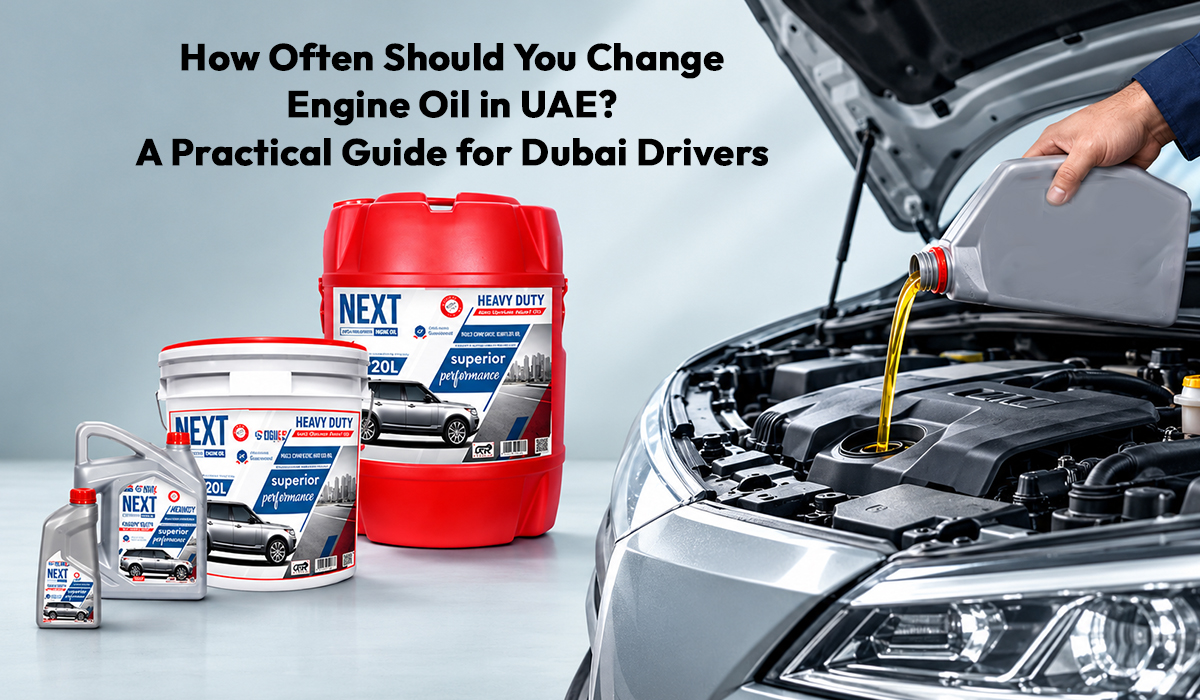
What UAE Drivers Get Wrong About Engine Oil Changes
Driving in the UAE puts demands on a vehicle that drivers in milder climates simply don’t deal with. High ambient temperatures, long stretches of stop-and-go traffic, frequent air conditioning use, and conditions that vary from city commuting to highway cruising - all of this affects how hard an engine works and, by extension, how the oil inside it behaves over time. Engine oil change UAE intervals aren’t something you can pin to a single number that applies to every vehicle in every situation. Four things determine when your engine oil actually needs changing - the manufacturer’s service schedule, the grade of oil running in the engine, how you drive day to day, and what conditions those kilometres happen in. This guide walks through what actually matters - the signs to watch for, how UAE conditions specifically affect oil life, and how to think about maintenance without overcomplicating it.Why Regular Engine Oil Changes Matter in the UAE
Why Skipping an Engine Oil Change Costs UAE Drivers More Than They Think
Engine oil keeps moving components lubricated, helps manage heat inside the engine, and carries contaminants away from critical surfaces. In UAE conditions - high temperatures, frequent idling, heavy traffic - oil works harder than it would in a more moderate environment. Oil that’s degraded or past its useful life doesn’t protect the engine as effectively as fresh oil, which over time adds up to wear that could have been avoided. Beyond lubrication, oil plays a role in keeping the engine running at a stable temperature by absorbing and dispersing heat. It also captures the combustion residue and fine particles that would otherwise build up on internal engine components over time. As the oil degrades, its ability to do all of these things diminishes - which is why the change interval exists in the first place.When Does Engine Oil Actually Need Changing in UAE?
This is the question most people come looking for a specific answer to - and the honest answer is that it varies. There isn’t a single interval that’s right for every vehicle operating in the UAE. What actually determines how long your oil lasts between changes:- The vehicle manufacturer’s recommended schedule for your specific model
- Whether the engine is running on mineral, semi-synthetic, or fully synthetic oil - each has properties for a different length of time
- The age and mileage of the vehicle
- How the vehicle is driven - short urban trips, long highway runs, or a mix
- Time spent sitting in traffic with the engine running but the vehicle stationary
- How hard the vehicle works - a car that tows or carries weight puts more stress on engine oil than one used for standard commuting
- The dustiness of the environments the vehicle operates in
| Factor | How It Can Affect Oil Change |
|---|---|
| High temperatures | Can increase thermal stress placed on the oil over time |
| Heavy traffic | More idling and stop-start driving shortens effective oil life |
| Short trips | Engine may not consistently reach full operating temperature |
| Heavy loads | Increased engine workload puts more strain on the oil |
| Dusty conditions | Increases the importance of filtration and timely maintenance |
Does UAE Heat Affect Engine Oil?
Yes - but the reason is more specific than most drivers realise. The ambient temperature outside the vehicle is not the same as the engine’s operating temperature. A healthy engine manages its own operating temperature through the cooling system - the number on a thermometer outside the car is not what determines how hot the oil gets inside it. That said, higher ambient temperatures do increase the thermal load on the cooling system and on the oil - particularly during extended idling or slow traffic where airflow across the engine bay is reduced. What matters most is that the engine oil meets the correct specification and viscosity for the vehicle and the conditions it operates in. An oil that meets the manufacturer’s requirements and has the appropriate viscosity characteristics for high-temperature operation will perform better than one that’s being stretched beyond what it was formulated for. Choosing oil because it’s marketed as suitable for hot climates isn’t enough on its own - it needs to match what the manufacturer actually specifies.Signs Your Car May Need an Engine Oil Change
Dark or Contaminated Oil
New oil comes out of the bottle looking amber. Pull the dipstick a few thousand kilometres later and that colour will have shifted - darker oil has been doing its job, picking up what the engine produces during combustion. Dark oil isn’t automatically a sign that an immediate change is needed - some oils darken relatively quickly as part of their normal function - but visibly contaminated, gritty, or milky-looking oil is worth taking seriously. Colour alone shouldn’t be the only factor driving the decision to change oil; the service schedule and mileage matter too.Unusual Engine Noise
A well-lubricated engine runs quietly. When oil degrades or the level drops, moving components don’t get the protection they need and the engine may start to make ticking, knocking, or rattling sounds that weren’t there before. These sounds can have multiple causes, but degraded lubrication is one of them - and it’s a reason to check the oil condition and level promptly.Oil Level Dropping
If you’re checking the dipstick regularly and the level is consistently dropping between changes, it’s worth finding out why - whether that’s normal consumption for the engine type, a minor leak, or something that needs attention. A low oil level is a signal to top up, but topping up doesn’t substitute for a scheduled oil change.Oil Change Warning Light
Dashboard warnings are there for a reason. An oil pressure warning or service reminder is not something to park until it’s more convenient. When the vehicle itself is telling you the oil needs attention and you keep driving on it anyway, the repair bill that eventually follows will make the cost of an oil change look very small by comparison.Increased Engine Temperature or Performance Changes
If the engine is running hotter than usual or the vehicle’s performance feels different, oil condition is one factor worth checking - but it’s rarely the only one. Any of these showing up is worth a proper workshop check - old oil may be part of the picture but it is rarely the only explanation worth considering.How Driving Conditions in Dubai Can Affect Oil Change Intervals
Dubai’s driving environment is genuinely different from what manufacturers in cooler, less congested markets design around as their baseline assumption. Frequent stop-and-go traffic on Sheikh Zayed Road or inside the city means the engine spends significant time idling or running at low speeds - conditions where heat builds up and oil works harder than it does at a steady highway cruise. Short-distance urban driving means the engine may not always reach its optimal operating temperature before the journey ends, which affects how well the oil performs its functions. Long periods of air conditioning use add load to the engine even when the vehicle isn’t moving quickly. Construction environments in areas of ongoing development add dust and particulates that affect filtration. High-load driving - heavy vehicles, vehicles carrying consistent loads, or towing - puts additional strain on the engine and on the oil protecting it. None of this means automatically shortening oil change intervals beyond what the manufacturer specifies - but it does mean being honest about the conditions a vehicle is operating in and factoring that into maintenance decisions rather than assuming the default schedule covers everything.How to Choose the Right Engine Oil for Your Car in UAE
The owner’s manual is the right place to start. It specifies the viscosity grade and performance specifications the engine was designed around - and following it puts you in the best position for reliable engine performance. One thing worth being clear about before making any oil selection: The grade in the manual is the grade to use - not what a mechanic suggests based on the season, not what a label claims is built for desert heat. Marketing language does not replace a specification. If the API certification on the bottle does not match what your engine requires, the climate claims mean nothing. For engine oil suited to UAE driving conditions across different vehicle types, our guide on best engine oil for cars in UAE is worth reading before making a final decision.Engine Oil Change vs Oil Top-Up: What’s the Difference?
These are two different things and it’s worth being clear on both. An oil change drains the old oil from the engine completely and replaces it with fresh oil. The oil filter is typically replaced at the same time. This resets the lubrication system and removes the degraded oil and accumulated contaminants that a top-up doesn’t address. An oil top-up adds fresh oil to bring the level back up to where it should be. It doesn’t remove the old oil already in the engine or address its condition. If the oil level is dropping regularly, a top-up addresses the immediate level problem - but it doesn’t replace a scheduled change, and the reason for the level drop is worth investigating.What Else Should Be Checked During an Oil Change?
An oil change visit is a useful opportunity to run through a few other maintenance points while the vehicle is already being attended to:- Oil filter condition and replacement
- Check for any visible leaks around the engine
- Air filter condition - particularly relevant in dusty UAE environments
- Coolant level and condition
- Belt and hose condition
- Tyre pressure and condition
- Any dashboard warning lights that haven’t been investigated
Engine Oil Change Checklist for UAE Drivers
- Check the manufacturer’s recommended oil change schedule for your vehicle
- Use the oil grade and specification listed in the owner’s manual
- Check oil level regularly between services - not just at service time
- Replace the oil filter when the oil is changed
- Factor your actual driving conditions into maintenance decisions
- Don’t ignore oil pressure warnings or service reminder lights
- Keep a record of oil changes - date, mileage, and oil type used
Final Thoughts
There’s no single oil change interval that’s right for every vehicle driving in the UAE. The manufacturer’s recommendation for your specific vehicle is the most reliable baseline - from there, actual driving conditions, oil type, mileage, and the age of the vehicle all feed into how often maintenance genuinely needs to happen. What is clear is that UAE conditions - the heat, the traffic, the stop-start city driving - make proper maintenance more rather than less important. Using the correct oil for your engine, following a sensible service schedule, and paying attention to what the vehicle is telling you between services is the practical approach that protects the engine over the long term. For businesses and individuals looking for quality lubricants backed by proper distribution support, GARS Lubricants works with engine oil distributor UAE networks to supply quality lubricants across the region. As an established lubricants exporter to Dubai, GARS brings over three decades of formulation and supply experience to the UAE market.FAQ's
Can I follow the same oil change interval throughout the year in the UAE?
For most vehicles, the manufacturer’s schedule applies year-round. UAE summer conditions are more demanding than winter, but a well-specified oil in a properly maintained engine handles both. If you’re doing a lot of stop-start city driving during summer months, it’s worth being attentive to oil condition rather than simply running to the maximum interval regardless.Is synthetic engine oil better for UAE driving conditions?
Fully synthetic oils generally offer better thermal stability and longer service life than conventional oils - both relevant in high-temperature, high-use environments. Whether synthetic is appropriate for your vehicle depends on what the manufacturer specifies. Many modern vehicles already require synthetic oil.Can heavy Dubai traffic affect engine oil life?
It can. Extended idling and frequent stop-start driving are harder on oil than steady highway driving. If a significant portion of your driving involves slow city traffic, it’s worth factoring that into how you think about the service interval - not necessarily shortening it dramatically, but being more attentive to oil condition.Should I change engine oil based on mileage or time?
Both matter. Most manufacturer recommendations include both a mileage figure and a time interval - whichever comes first applies. A vehicle that covers low mileage but sits for months still needs an oil change at the time interval, because oil degrades regardless of whether the vehicle is being driven.What happens if I delay an engine oil change?
Oil that’s past its effective life loses its ability to lubricate, manage heat, and carry contaminants away from engine surfaces. Over time, that contributes to increased wear on engine components. In the short term you may not notice anything obvious - but the wear is happening, and it shortens engine life in ways that show up later.Should the oil filter be replaced with the engine oil?
Yes, as a general practice. The oil filter collects contaminants from the oil during its service life. Putting fresh oil through a filter that’s already at capacity from the previous service interval undermines the benefit of the oil change. Replacing both at the same time is the standard approach for good reason.Recent Post
Top Categories
Popular Products